
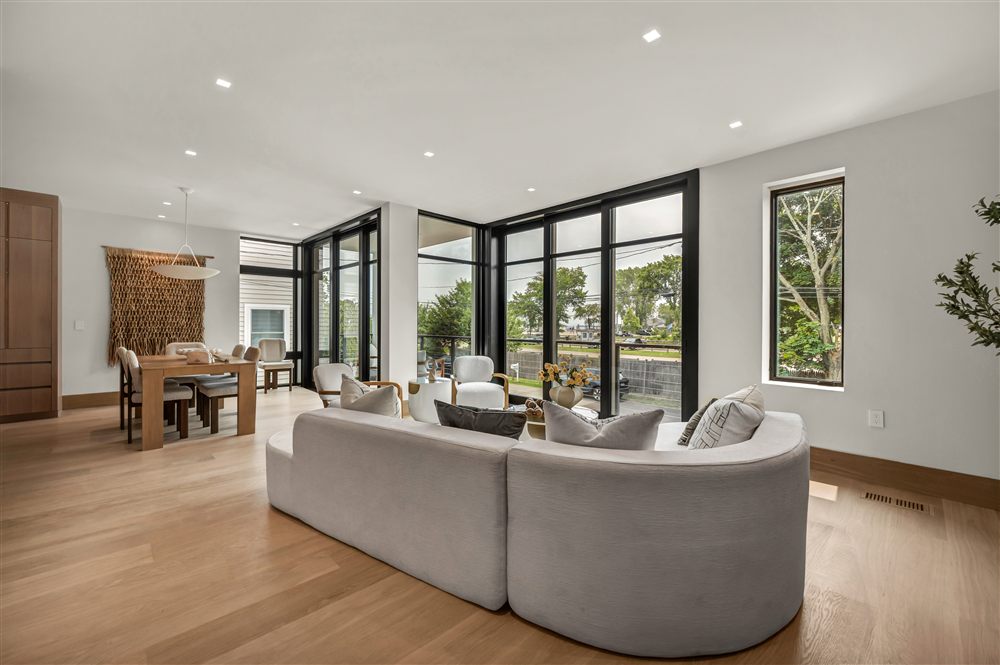
A buyer can love the kitchen and still have no idea how to reach it from the garage.
That is the gap between seeing individual rooms and understanding a home. Beautiful photography matters. But a collection of attractive images does not automatically explain where the bedrooms sit, how the levels connect or whether the dining room opens to the living area.
As you prepare your next Connecticut listing this fall, give buyers both views: photographs that show the experience and a floor plan that explains the arrangement. Used together, they help people ask better questions before they schedule a showing.
Why floor plans for Connecticut listings deserve a place beside the photos
A photograph shows light, finishes, condition and the relationship between whatever fits inside the frame. A floor plan gives buyers a simple map of the space beyond that frame.
Neither replaces the other. A diagram cannot communicate the afternoon light across a wood floor. A living-room photo may not reveal that the only route to the deck runs through the kitchen.
The goal is not to squeeze more media into a listing. It is to reduce the amount of guesswork required to understand it. That is especially useful when a buyer is comparing properties online and trying to remember which home had which arrangement.
Start with the questions a buyer would ask
Before photo day, walk through the property as if you had never seen it before. What would be hard to work out from pictures alone?
In a Cape, that might be the relationship between the first-floor rooms and the upstairs bedrooms. In a split-level, it might be the short stair runs connecting the entry, living area and lower level. In a home with an addition, the important detail may be how the original rooms connect to the newer space.
Ask practical questions. Where do you enter with groceries? Is the room being presented as an office separate from the main living area? How do you reach the laundry? Which level has the bathroom shown in the gallery?
These are not reasons to apologize for a layout. They are reasons to explain it clearly. Give the photographer a short list of the connections that deserve attention.
Photograph the connections, not just the rooms
A strong gallery needs more than one attractive angle of every room. It also needs a few carefully chosen views that connect the spaces.
For example, a photograph looking from the dining area toward the kitchen can establish a relationship that two isolated close-ups would miss. A view toward the stairs can help explain a change in level. An interior angle showing the door to the patio can connect indoor and outdoor living.
That does not mean making every image as wide as possible. The useful frame is the one that makes the property easier to understand while representing it honestly.
When planning your real estate photography, mention any unusual transitions before the shoot. A little advance context helps us decide which views will do the most work.
Make the floor plan useful at the size people will view it
A floor plan needs to be readable, not simply included.
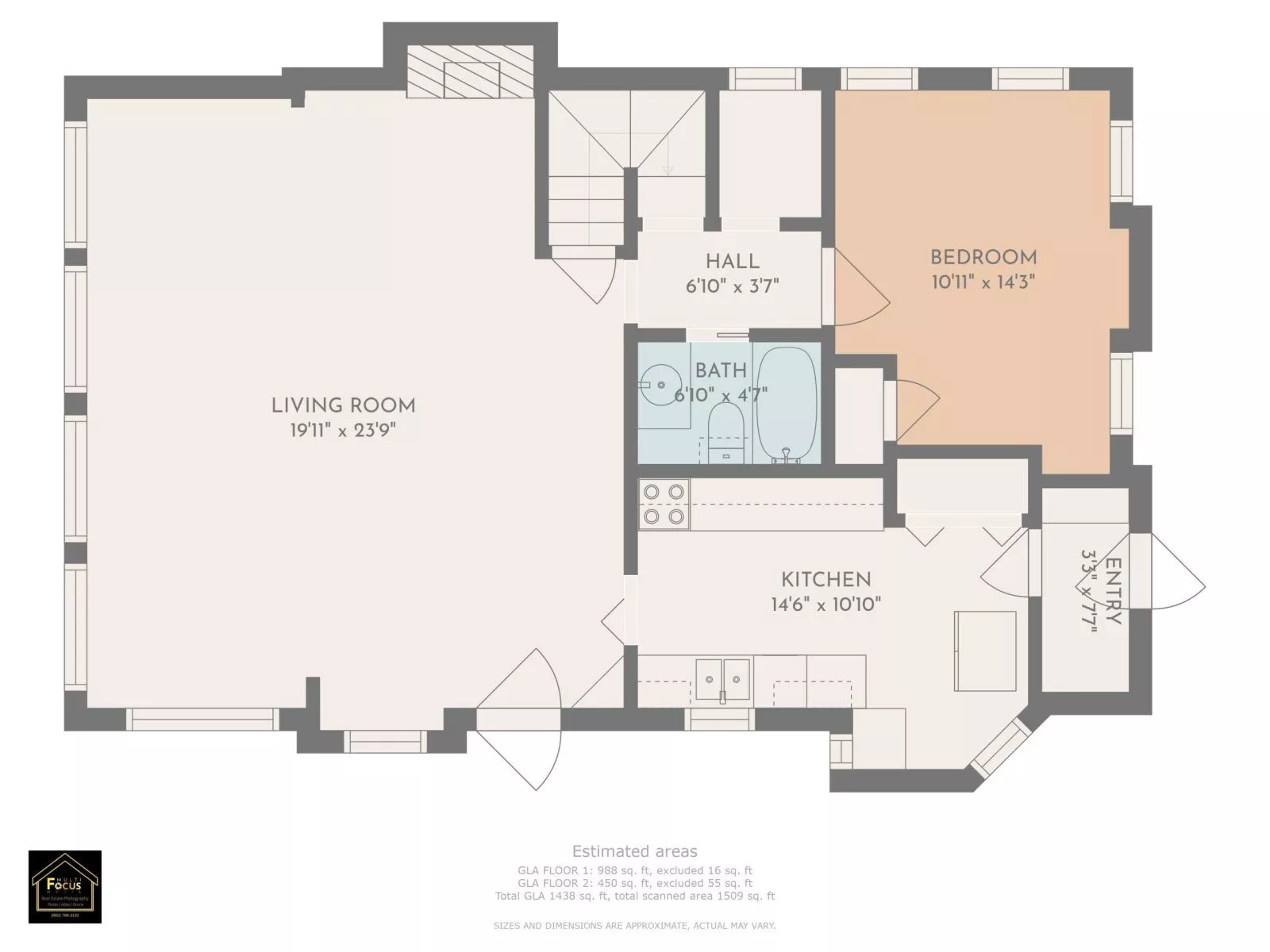
Use clear room labels and make sure separate levels are easy to identify. Keep the complete plan available rather than cropping away the stairs, entry or notes to make it fit a square graphic. If the property has several levels, check each one instead of assuming a single thumbnail tells the whole story.
Room measurements can provide useful context, but retain the plan’s qualifications about approximate sizes. Buyers should verify dimensions that matter to a furniture purchase or another specific decision. A marketing floor plan is not a substitute for construction drawings or an on-site assessment.
Multi-Focus Media can provide 2D floor plans with or without room measurements alongside photography. Decide which version you need before the appointment so the finished package fits your marketing plans.
Check that the listing tells one consistent story
Before launch, compare the floor plan, photo captions and written description. The room called an office in one place should not become a bedroom somewhere else without a verified reason.
Check the level labels, stairs, door locations and spaces included in the package. Flag any mismatch for review before uploading. Do not relabel a room simply because a different name sounds more marketable.
Then look at the listing on a phone. Can you read the plan? Can you enlarge it? Does the gallery order give you enough context to connect the diagram with the photographs?
This is a simple quality check, but it matters. A useful asset loses much of its value when it is hard to find or too small to read.
Give buyers a clear path from interest to understanding
Use your strongest photograph to introduce the property. Make the layout information easy to find in the listing or property page that follows, wherever the destination supports it.
For a social post, you do not have to explain the entire house. Highlight one meaningful connection, such as the dining area opening to the deck, then direct readers to the complete listing. Keep a full, readable floor plan at that destination rather than relying on a tiny social crop.
If a question keeps coming up during inquiries, check whether the media answers it. Sometimes one missing connection photograph or a clearer plan label is more useful than another general description of the home.
Plan the explanation before photo day
The best time to identify a confusing layout is before the shoot, not after the listing goes live.
Multi-Focus Media is based in Cromwell and works with real estate professionals across Connecticut. If your next property needs help explaining its flow, contact Hank about photography and a floor plan in the same media package.
Great listing media should do two things: make people want to see the home and help them understand what they will find when they arrive.